IIT Rehab
2018
IIT FLOAT
Human-Centred interface for rehabilitation robotics
FLOAT is an upper-limb rehabilitation exoskeleton developed by the Italian Institute of Technology. Our contribution focused on the design of the exercise programming interface, starting from an extensive research phase aimed at understanding both the machine's operational logic and the therapists' workflow. Through observation, mapping of clinical procedures, and analysis of user behaviour, we identified a significant gap between the system's technical parameters and the mental models used by practitioners during rehabilitation sessions.
The design process therefore focused on translating complex mechanical variables into a more intuitive and human-centred interaction model. Instead of presenting the machine through purely engineering-driven controls, we reorganised information and commands around anthropometric concepts and movement-related parameters that reflected the way therapists naturally think about patients and therapeutic goals.
To support this approach, we adopted a Neomorphic visual language, introducing a stronger sense of physicality and depth into the interface. The result was an environment that made the machine's capabilities easier to understand, reduced cognitive load during exercise configuration, and created a warmer and more accessible interaction experience, closer to the everyday practice of rehabilitation professionals.
AWARDS
details
IIT Rehab
2018
IIT FLOAT
Human-Centred interface for rehabilitation robotics
FLOAT is an upper-limb rehabilitation exoskeleton developed by the Italian Institute of Technology. Our contribution focused on the design of the exercise programming interface, starting from an extensive research phase aimed at understanding both the machine's operational logic and the therapists' workflow. Through observation, mapping of clinical procedures, and analysis of user behaviour, we identified a significant gap between the system's technical parameters and the mental models used by practitioners during rehabilitation sessions.
The design process therefore focused on translating complex mechanical variables into a more intuitive and human-centred interaction model. Instead of presenting the machine through purely engineering-driven controls, we reorganised information and commands around anthropometric concepts and movement-related parameters that reflected the way therapists naturally think about patients and therapeutic goals.
To support this approach, we adopted a Neomorphic visual language, introducing a stronger sense of physicality and depth into the interface. The result was an environment that made the machine's capabilities easier to understand, reduced cognitive load during exercise configuration, and created a warmer and more accessible interaction experience, closer to the everyday practice of rehabilitation professionals.
AWARDS
details
latest projects

Vimar View Touch
PRODUCT, +1
A smart home touchscreen anticipating everyday needs with timely information and intuitive controls.

EQUA Smart Home Care
BRAND, +1
An Alexa-based care service connecting older people with everyday support in their own homes.

Musei di Capri
BRAND, +2
A shared identity, physical signage and digital experiences opening up Capri's cultural heritage.

Unico Armonico
PRODUCT, +1
Robotic knee and ankle prostheses designed around mobility and the acceptance of a prosthetic limb.
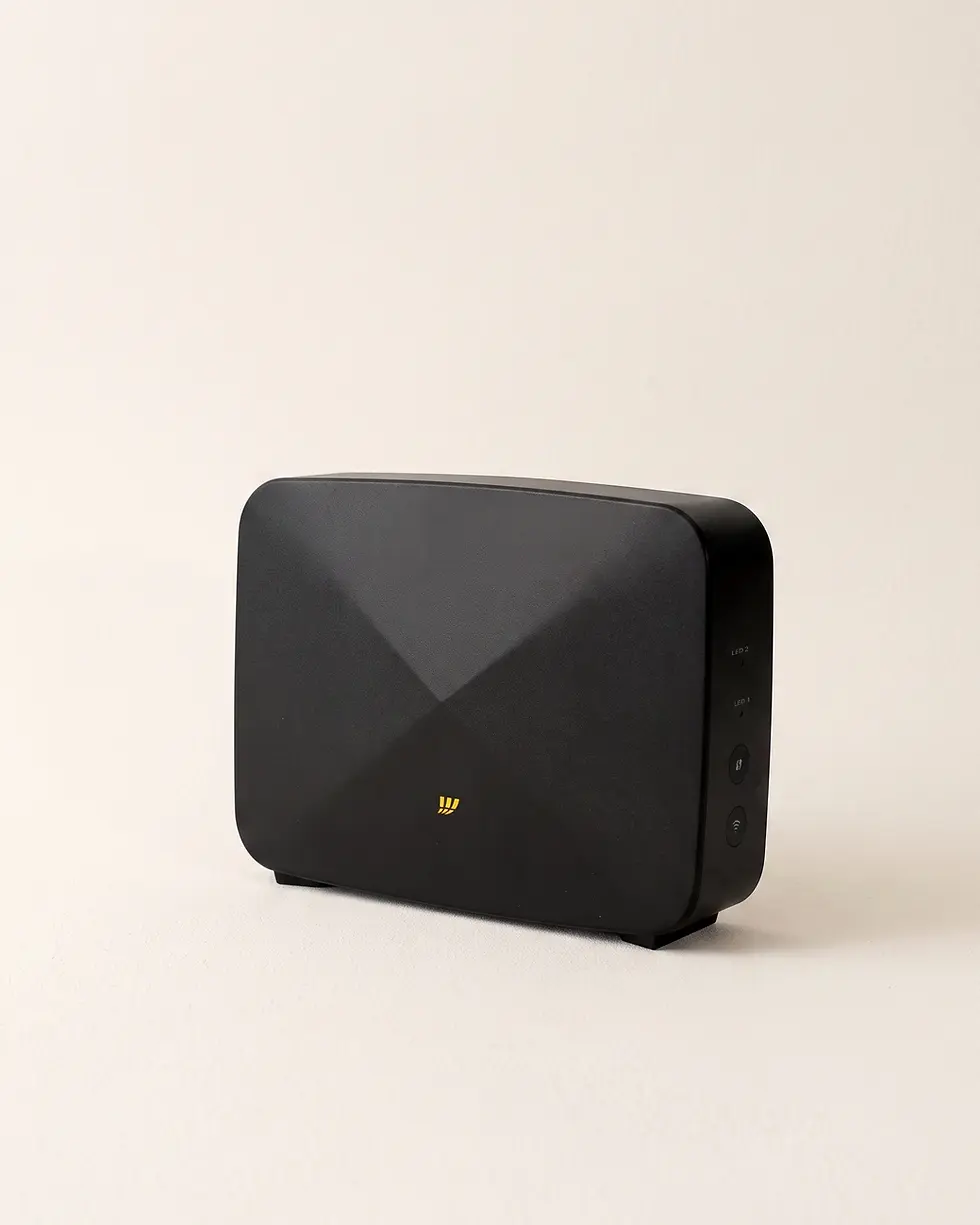
Fastweb NeXXt One
PRODUCT
A distinctive Wi-Fi 6 router balancing brand identity with efficient design across hardware platforms.