IIT Rehab
2020
IIT TWIN
Interface for Lower-Limb robotic rehabilitation programming
As part of the Twin project developed by the Italian Institute of Technology (IIT) for lower-limb robotic rehabilitation, 21AM was responsible for designing the programming and control interface used by therapists to configure exercises and manage therapy sessions.
Building on the experience gained through the Float rehabilitation project, the team addressed a specific challenge: translating complex biomechanical parameters and system behaviors into a visual language better aligned with the mental models of healthcare professionals.
The work focused on analyzing the information required to configure rehabilitation programs and identifying ways to represent it through a more intuitive, anthropometric approach rather than a purely technical and mechanical one. The goal was to allow therapists to focus on treatment objectives while reducing the cognitive effort associated with operating the system.
To achieve this, 21AM designed an interaction framework based on the emerging Neomorphic visual language, using depth and physicality to make digital elements more recognizable and easier to understand. Combined with a more natural representation of exercise variables, this approach created a warmer and more intuitive experience, better suited to rehabilitation environments.
The project demonstrates how interaction design can play a strategic role in the adoption of advanced medical technologies, facilitating the relationship between complex systems and healthcare professionals.
AWARDS
details
latest projects

Vimar View Touch
PRODUCT, +1
A smart home touchscreen anticipating everyday needs with timely information and intuitive controls.

EQUA Smart Home Care
BRAND, +1
An Alexa-based care service connecting older people with everyday support in their own homes.

Musei di Capri
BRAND, +2
A shared identity, physical signage and digital experiences opening up Capri's cultural heritage.

Unico Armonico
PRODUCT, +1
Robotic knee and ankle prostheses designed around mobility and the acceptance of a prosthetic limb.
Fastweb NeXXt One
PRODUCT
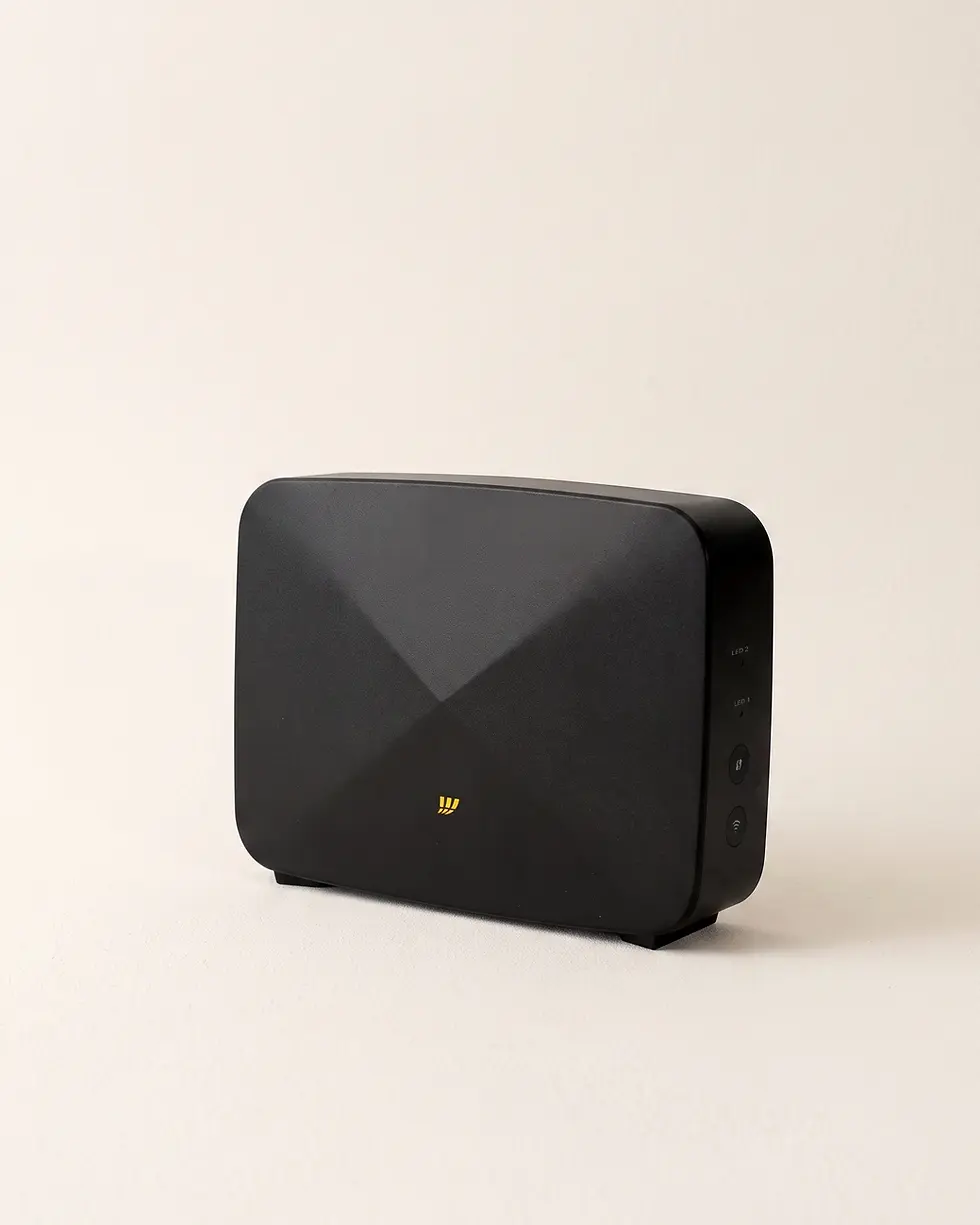
A distinctive Wi-Fi 6 router balancing brand identity with efficient design across hardware platforms.